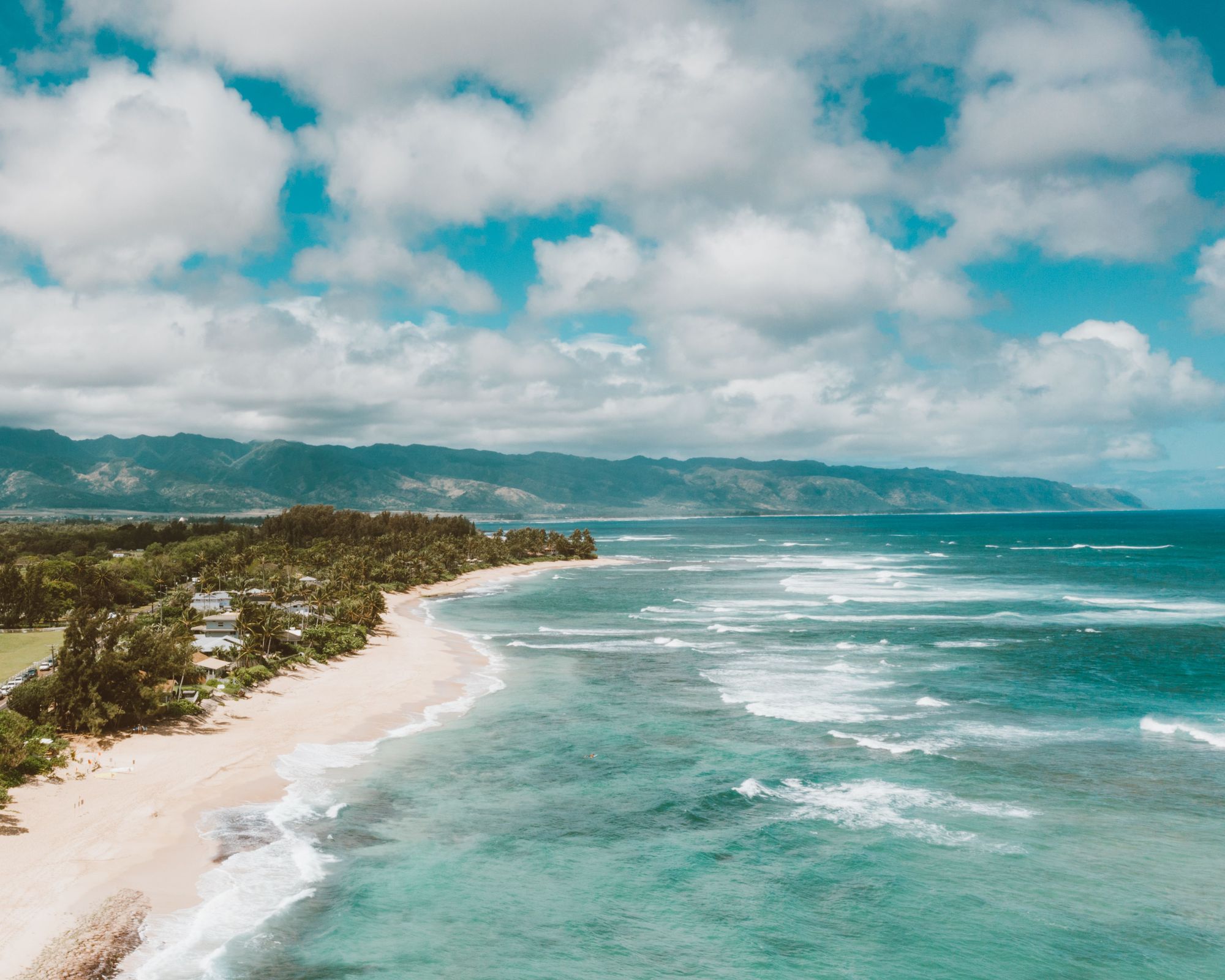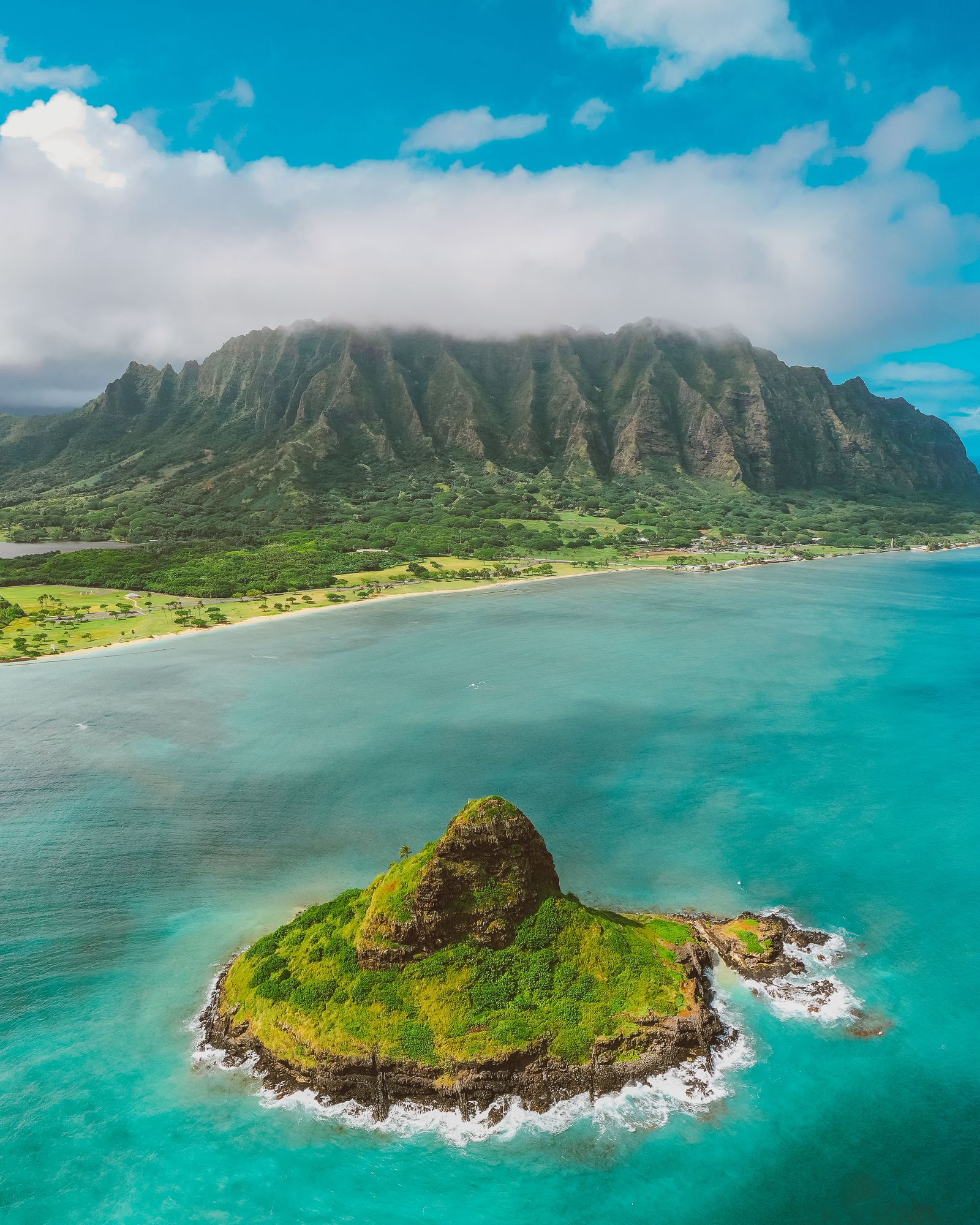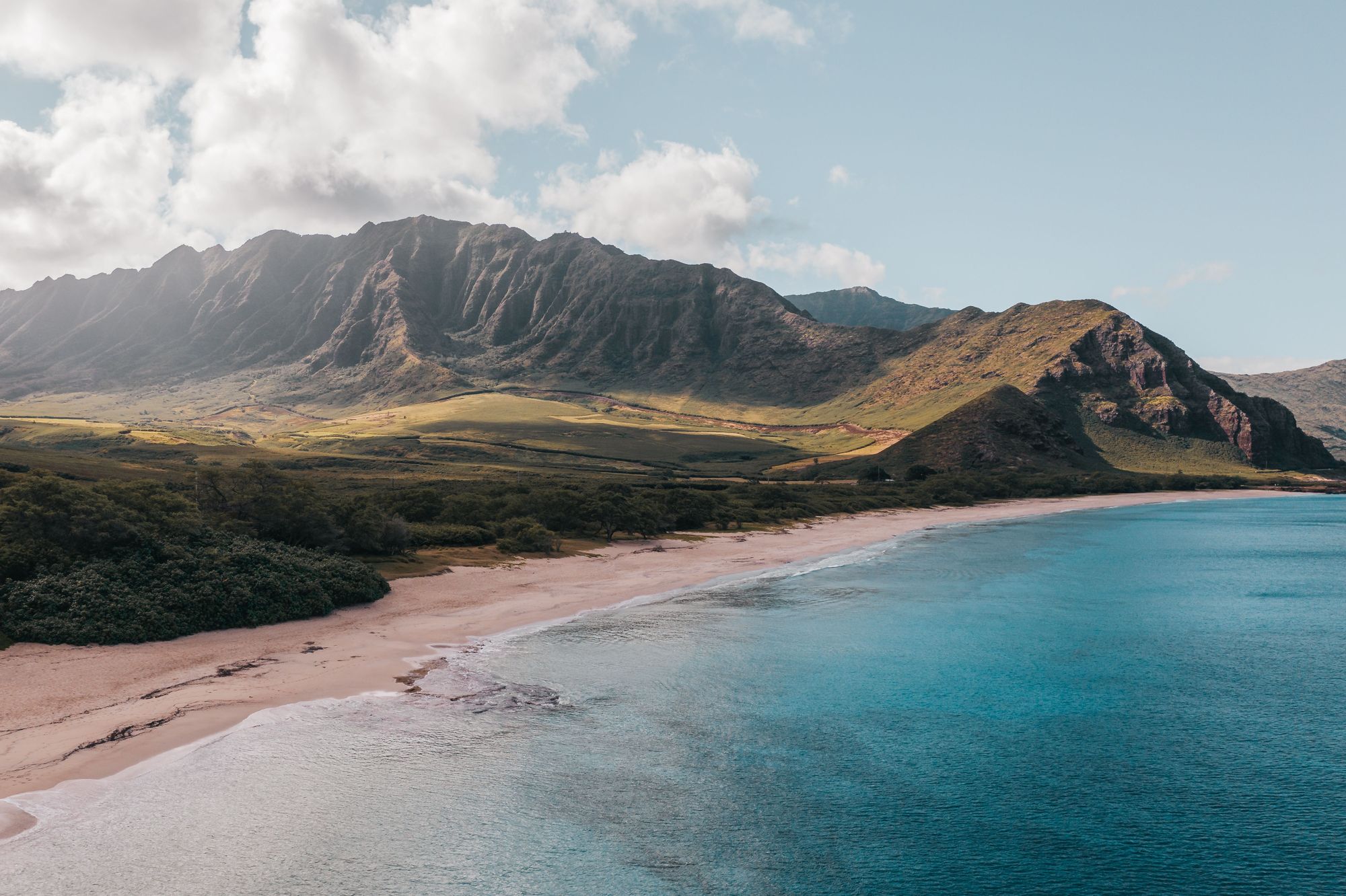
Hawaii's beaches are among the best in the world, and most days you can enjoy them safely. The ocean here is powerful, though, and drowning is the leading cause of fatal injuries for visitors. Here is what state and county ocean safety officials want you to know before you get wet.
Is it safe to swim in Hawaii?
Yes, for most people on most days, provided you choose the right beach and respect the conditions. Hawaii's water is warm and inviting, but it is open Pacific Ocean, and waves, currents and depth can change quickly, sometimes within a single afternoon.
The Hawaii Department of Health calls ocean drowning the leading cause of fatal injuries for Hawaii visitors. Between 2015 and 2019 the state averaged 80 ocean drowning deaths a year, and visitors accounted for 57 percent of them, roughly one visitor a week.
The common factors are unfamiliar conditions, swimming at unguarded spots, overestimating fitness after a long flight, and snorkeling alone. Every one of those is something you can control.
Why should you swim at a lifeguarded beach?
The single most effective safety step is to swim where there is a lifeguard tower. Lifeguards watch the water all day, post warning signs, and can tell you in thirty seconds what the current is doing and where the calm water is.
- Talk to the lifeguard first. Ask about currents, surf and anything unusual that day, even if no sign is posted.
- Swim in front of the tower, not at the far end of the beach where you are hard to see.
- Tell someone your plan. State ocean safety officials advise letting at least one person know which beach you are visiting and when you expect back.
Lifeguarded beaches exist on every main island, from Waikiki on Oahu to the busy beaches of Maui, Kauai and the Big Island.
What do Hawaii beach warning signs mean?
Lifeguards post and move hazard signs as conditions change. If a sign is up, it applies today.
| Sign | What it means |
|---|---|
| No Swimming | Extreme, life-threatening conditions. Do not enter the water. |
| Dangerous Shorebreak | Waves break directly on the sand and can cause serious neck and spinal injuries. |
| Strong Current / Rip Currents | Water is moving fast enough to carry you away from where you entered. |
| Waves Break on Ledge | Large waves can sweep rock ledges even when the sea looks calm. |
| Sudden Drop Off | Depth changes abruptly, often with currents running along the edge. |
| Jellyfish / Man-o-War | Stinging animals present or expected. |
| Shark Sighted | A confirmed sighting. Stay out of the water. |
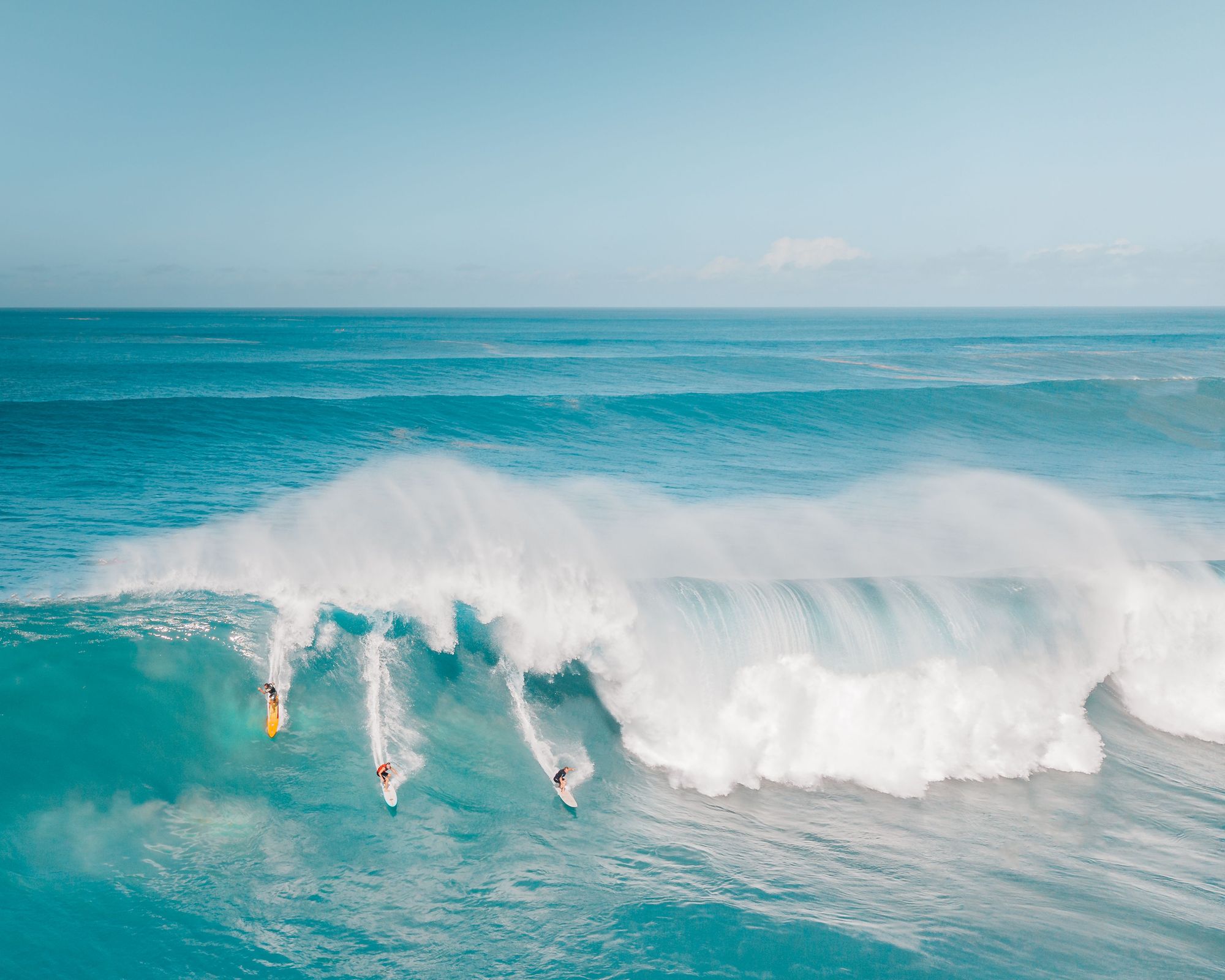
Shore break deserves special respect. Waves that dump straight onto a steep beach can drive a swimmer or bodyboarder headfirst into the sand. If the waves are breaking hard at the waterline, enjoy them from the beach.
The same caution applies on rocky coastlines. Never turn your back on the ocean while standing on a ledge, tide pool shelf or lava bench; a larger set can arrive without warning, and wet, mossy rock is slippery.
When is high surf season in Hawaii?
Which side of an island is dangerous depends on the season, according to the state's ocean safety program:
- North shores, winter (about November to April): consistent, very large and dangerous swells. The North Shore of Oahu becomes world-class surf territory, and places like Waimea Bay are pounded by high surf and powerful shorebreak.
- South shores, summer (about May to October): south swells can arrive frequently, while winter there is usually flat to small.
- West shores: can see high surf in both seasons as north swells wrap around.
- East shores: strong trade winds can create rough, choppy water year-round.
Conditions are local. On a big-surf day on one coast, a calmer beach may be a short drive away on the other.
How do you escape a rip current?
A rip or strong current will not pull you under; it pulls you away from shore. People get into trouble when they exhaust themselves swimming straight against it.
- Stay calm and breathe steadily. Float on your back or front to save energy.
- Do not fight the current. Swim parallel to the shore until you are out of it, then head back at an angle.
- Signal for help by waving one or both arms and yelling toward the beach.
Before you go in, look for a channel of darker, choppier water where waves are not breaking. In Hawaii, strong currents can occur at any beach, often with high surf and fast tide changes, including places where no sign is posted.
How do you snorkel safely in Hawaii?
State health officials say more Hawaii visitors drown while snorkeling than during any other activity.
- Know your health limits. Asthma, diabetes, heart disease and a recent flu or infection are listed as risk factors. Air travel can affect lung function for up to several days, so consider waiting before a long snorkel.
- Never snorkel alone, and go in the morning, when water is usually calmer and clearer.
- Check your gear on land: a leak-free mask, snug fins and a clear tube.
- Use flotation. A snorkel vest or belt lets you rest without effort.
- Turn back early if you feel tired, anxious or short of breath.
On full-face snorkel masks, Hawaii's ocean safety program says research has not yet shown a direct increase in risk, but it lists concerns including carbon dioxide build-up, poor fit and difficulty removing the mask. If you use one, rent from a licensed vendor, practise breathing and removing it before entering, and breathe slowly through your nose. The state also warns not to use OUSPT-brand full-face masks, following a US Consumer Product Safety Commission warning in March 2026.
When do box jellyfish arrive on Oahu?
Box jellyfish follow the moon. The City and County of Honolulu says they often swarm Hawaii's south and leeward shores about 9 to 10 days after the full moon. On Oahu that includes popular south-facing beaches such as Waikiki. Stings cause burning pain, redness and swelling, and severe reactions can involve breathing difficulty or shock.
Check a box jellyfish calendar before your trip, stay out where they have been sighted or where dead jellyfish are on the sand, and ask the lifeguard.
Portuguese man o' war are a separate hazard, most common during strong onshore winds. If stung, pick off visible tentacles, rinse, and apply ice. Seek medical help immediately for any severe reaction.
Should you worry about sharks in Hawaii?
Shark incidents make headlines, but for visitors drowning is by far the greater danger. You can lower an already small shark risk further by following the Department of Land and Natural Resources' guidance:
- Swim with others at lifeguarded beaches.
- Avoid murky water, harbour mouths and stream outlets after heavy rain.
- Stay out at dawn, dusk and night, and if you are bleeding.
- Avoid shiny jewellery and high-contrast clothing, and stay away from people spearfishing.
- If you see a shark, leave the water calmly and tell a lifeguard or call 911.
Is it safe to swim in Hawaii's streams and waterfalls?
Freshwater carries two risks. The first is flash flooding: rain falling high in the mountains can raise a stream within minutes, even when it is sunny where you stand. State officials advise never crossing a flooded stream; move to high ground and wait for the water to drop.
The second is leptospirosis, a bacterial infection spread through water and soil contaminated with animal urine. The Hawaii Department of Health advises against swimming or wading in freshwater streams and ponds, especially with open cuts, and against putting your head under. Symptoms are flu-like and can appear from 2 days to 4 weeks after exposure; see a doctor and mention the swim if you fall ill.
How do you check ocean conditions before you go?
- HawaiiBeachSafety.com, recommended by state ocean safety officials, gives current conditions and hazards at lifeguarded beaches.
- National Weather Service Honolulu issues surf forecasts and High Surf Advisories and Warnings for each shore.
- The lifeguard on duty remains the best real-time source.
Plan for the sun as well: the midday sun in Hawaii is strong, so use sunscreen, carry plenty of water and take shade breaks. Dehydration and fatigue make every ocean hazard harder to handle.
For any ocean emergency, call 911 and point the dispatcher to the nearest lifeguard tower or landmark.
Facts checked October 2026. Drowning figures come from the Hawaii Department of Health (2015–2019 averages); ocean conditions change daily, so always check with lifeguards and official forecasts before entering the water.
- Hawaii Department of Health: Beach Safety Week and drowning statistics
- Hawaii Ocean Safety (DOH): Hawaii's Surf Seasons
- Hawaii Ocean Safety (DOH): Snorkeling Safety
- Hawaii Ocean Safety (DOH): Strong currents
- Honolulu Ocean Safety Department: Beach Signs
- DLNR: Shark Safety Tips
- Hawaii Department of Health: Leptospirosis
- DLNR: Flooded stream safety advisory